African Safari Recommendations
African Safari Trip Planning
A safari is not something you try once and see later.
Small planning decisions can have a significant impact on what you see, feel, and remember. Getting the structure right matters more than getting the fanciest camp.
Deciding on an African safari comes down to balancing four main pillars: your budget, the wildlife you want to see, the scenery/experience, and the time of year. Because ecosystems vary wildly, your choice of destination and lodge will shape your entire trip.
A few misconceptions:
- The Great Migration is NOT herds of elephants, lions and giraffe.
The Great Migration is a year-round, 800-kilometer continuous cycle of over two million wildebeest, zebra, and gazelle traversing the Serengeti-Masai Mara ecosystem. The “best” timing depends entirely on which dramatic phase of the cycle you want to witness
Key Times of the Year
- Dec – March (Calving Season): The mega-herds gather on the fertile short-grass plains of the southern Serengeti and Ndutu (Tanzania). Over 500,000 calves are born, bringing massive predator activity.
- April – June (The Trek & The Rut): The rains end and the animals migrate northwest, mating along the way. June is the prime time to witness the Grumeti River crossings in the Western Corridor
- July – Oct (River Crossing Season): The most famous phase. Massive herds face the treacherous, crocodile-infested Mara River as they push into Kenya’s Masai Mara. The absolute sweet spot for these iconic crossings is generally late July to mid-September
- Nov – Early Dec (The Return): The herds begin their southward journey back to the lush southern plains to prepare for calving.
Because the migration is governed by unpredictable weather and rainfall, exact dates can fluctuate.
- Malaria risk
Malaria is not in all countries. Mosquito borne diseases are dependent upon altitude, and other factors. Two-thirds of all cases and deaths are concentrated in just 11 countries: Nigeria, DRC, Uganda, Mozambique, Burkina Faso, Cameroon, Ghana, Mali, Niger, Sudan, and Tanzania. Nigeria alone accounts for roughly 27% of global cases.
Climate & Geography: The tropical climate, frequent rainy seasons, and environmental factors allow mosquitoes to breed year-round in many regions.
Transmission occurred primarily at elevations below 1,500 meters (5000 feet) . However, rising global temperatures are causing Anopheles mosquito populations and malaria parasites to spread to higher elevations—shifting upward by an average of 6.5 meters (22 feet) per year.
Historically safe, high-altitude plateaus (like those in Ethiopia, Rwanda, and Kenya) are now seeing more frequent outbreaks. Because local populations have no prior exposure, they lack functional immunity, making these outbreaks highly dangerous
Transmission is generally much lower and more seasonal in countries like South Africa, Botswana, and Namibia. In South Africa, risk is primarily confined to the low-altitude regions of Mpumalanga, Limpopo (including the Kruger National Park), and the northern KwaZulu-Natal province during the summer months (November to May).
Transmission occurred primarily at elevations below 1,500 meters (5000 feet) . However, rising global temperatures are causing Anopheles mosquito populations and malaria parasites to spread to higher elevations—shifting upward by an average of 6.5 meters (22 feet) per year.
Historically safe, high-altitude plateaus (like those in Ethiopia, Rwanda, and Kenya) are now seeing more frequent outbreaks. Because local populations have no prior exposure, they lack functional immunity, making these outbreaks highly dangerous
- C – Chemoprophylaxis (Antimalarial Tablets): Consult a travel medicine specialist or your healthcare provider to get a prescription for preventive medications (e.g., atovaquone-proguanil, doxycycline, or mefloquine). You will typically need to start taking these before your trip, during your stay, and for up to four weeks after returning. You do not need to take anti malaria pills for a trip to South Africa
Visas
Visa requirements for US citizens vary by African country, falling into three main categories: visa-free entry (usually up to 90 days), visas obtained on arrival, and e-Visas requiring advance application. Generally, US travelers must have a passport valid for at least six months and a minimum of two blank pages.
Visa-Free Entry (no visa required)
Many popular African destinations allow US passport holders to enter without a visa for short-term tourism or business:
- South Africa: Visa-free for up to 90 days.
- Botswana: Visa-free for up to 90 days.
- Mauritius: Visa-free for stays up to 90 days.
- Namibia: Visa-free for up to 90 days.
- Morocco: Visa-free for up to 90 days.
Visa on Arrival (VoA)
For some nations, you can easily secure your entry permission at the border or airport:
- Tanzania: Available on arrival or via an online e-Visa.
- Zimbabwe: Available on arrival. A cost-saving KAZA UniVisa is also available, covering both Zimbabwe and Zambia for up to 30 days.
eVisa & Advance Application
Several countries require you to register online before you depart:
- Kenya: Requires all visitors to apply for an Electronic Travel Authorisation online before arrival.
- Uganda: Visas must be obtained in advance via the Uganda Electronic Visa/Permit System.
- Rwanda: You must apply for an e-Visa through Rwanda Immigration prior to travel.
Note: Requirements for Yellow Fever vaccinations are heavily enforced across the continent if you are traveling from or transiting through a yellow fever-endemic area. Always confirm specific health guidelines on the CDC Traveler’s Health page before you depart.
Here are some suggestions for making your decision.
- Choose Your Safari Style and Ecosystem
Different regions offer distinct experiences, ranging from wide-open savannahs to dense bush.
- East Africa (Kenya & Tanzania): Known for classic, sweeping savannahs and the Great Migration. You can cover great distances to see massive herds of wildebeest and predators.
- Southern Africa (South Africa & Botswana): Excellent for combining luxury, private reserves, and city exploration (like Cape Town). Private reserves often allow off-road tracking and night drives, yielding more intimate animal encounters.
- Specialty Safaris: You can also opt for water-based safaris (e.g., the Okavango Delta in Botswana), walking safaris (a specialty in Zambia), or specialized treks like gorilla tracking in Uganda. Country matters less than the ecosystem
Kenya, Tanzania, South Africa, and Botswana are all good.
What matters more is the specific ecosystem:
- River-based systems = better predator sightings
- Conservancies/private reserves = fewer vehicles, longer sightings
- National parks = iconic landscapes, but more crowds
- Determine Your Budget
Safaris can range from budget overland camping tours to ultra-luxurious fly-in lodges. Do you want to stay in tents (camps may move from place to place, depending on wildlife viewing, climate and other factors OR Do you want to stay in hotel or villa like accommodations, with daily forays in small groups, in jeeps to see animals?
- Budget: Usually involves joining a small group, traveling in overland vehicles, and staying in semi-permanent tented camps or public national park lodges.
- Luxury: Includes fly-in packages to private concessions. You get top-tier service, gourmet meals, and open-sided 4x4s with expert guides.
- Mid-Range: villa like accommodations, with daily forays in small groups, in jeeps to see animals
- Tip: Traveling in the shoulder or low season will significantly reduce accommodation and tour costs.
- Pick the Right Time to Go
The “best” time depends entirely on your wildlife priorities.
- Dry Season (June – October): Generally considered the optimal time for game viewing. Vegetation dies back, and animals concentrate around remaining water sources, making them much easier to spot.
- Wet/Green Season (November – May): Landscapes are lush, and many species drop their young, which brings high predator activity.
- Note: If you want to witness the Great Migration (river crossings), focus your timing between July and October.
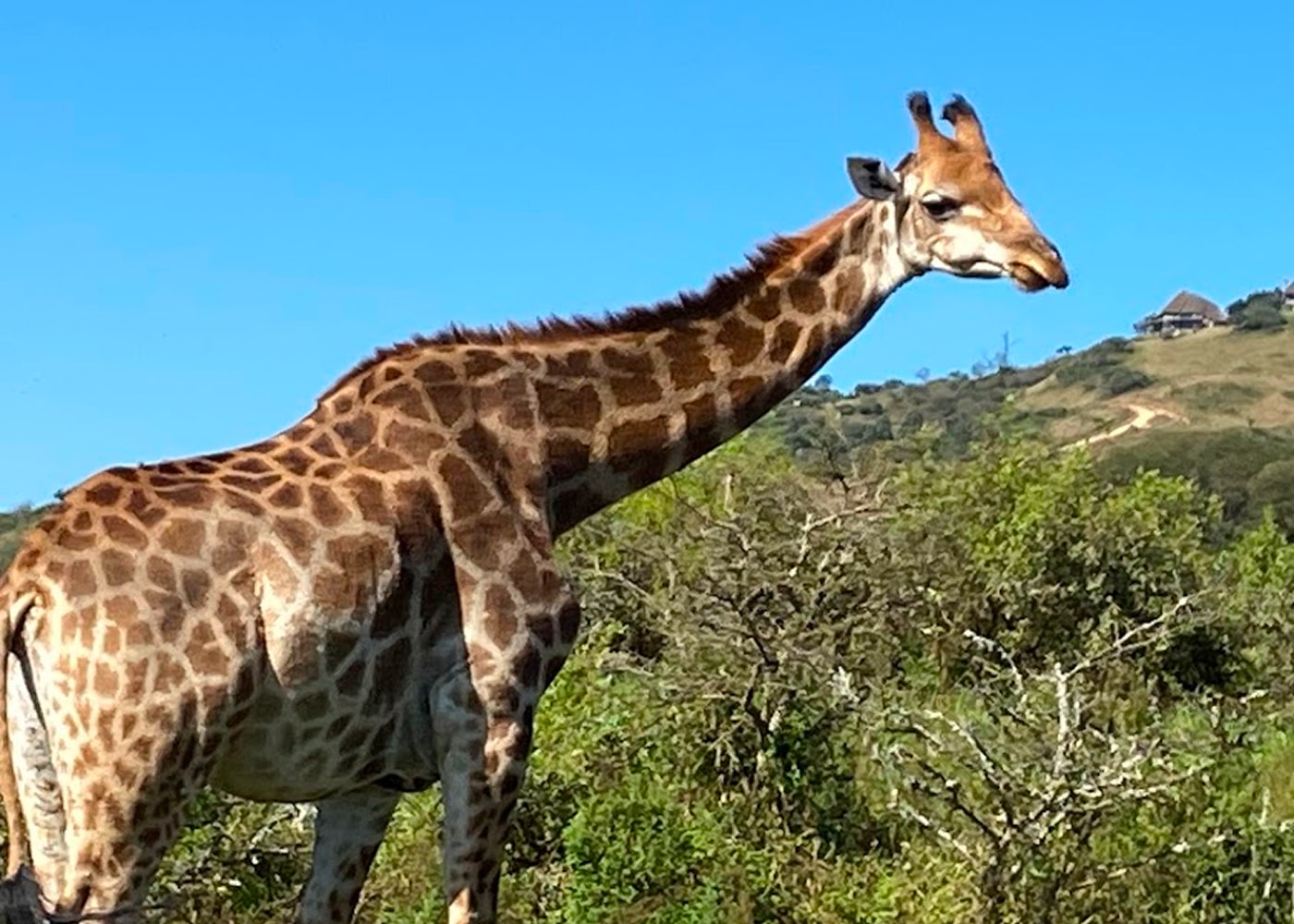
My suggestion: I have been on safari in Kenya during the dry season, and saw few animals, even in a hot air-balloon. Just last year, I traveled to South Africa (a bucket list item for me), and went on a mid range trip to the KwaZulu-Natal province (neat Durban) in May, which was wonderful. The one place I’ve been to that I would tell everyone to visit as a tourist at least once: For a first time traveler, I would recommend South Africa, staying at
The most popular South Africa safaris are centered around the Kruger National Park and its adjacent private reserves. These options range from luxury all-inclusive lodge stays to immersive, malaria-free adventures ideal for families and first-time visitors. Sabi Sand Game Reserve: Adjoining the Kruger, this private reserve is world-renowned for its phenomenal density of leopards and up-close “Big 5” (lion, leopard, elephant, rhino, buffalo) viewings.
If you have a group of 10 or more, a custom tour can be designed to meet your budget and your other trip requirements.
Do something today that your future self will thank you for.
Information provided by Ellen McNulty, President, WiseWomenTravel.com
What’s special about Wise Women Travel trips:
This group is a perfect way for you to travel and not have to go alone.
- Small congenial groups
- New to the group? Make friends to travel with
- Have your own room; or share. Even if you are on your own, you’re not alone. We are always looking out for you.
- Join us from anywhere – Airfare from many cities